Vape Pods in Malaysia: Understanding Regulations and Health Considerations
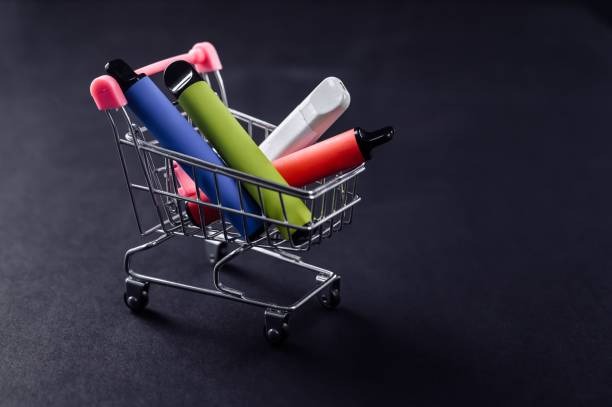
Vape pods are a type of electronic vaping device designed to heat a liquid into an aerosol for inhalation. In recent years, they have become one of the more common vaping device formats due to their compact design and ease of use. At the same time, vape pods in Malaysia remain the subject of evolving regulations, scientific research, and public health discussions. Understanding how these devices function, the legal framework surrounding them, and the available health evidence can help adults make informed decisions.
As research continues, public health authorities encourage consumers to rely on credible sources when seeking information about vaping products.
How Vape Pods Work
A vape pod system generally consists of two main components: a rechargeable battery and a replaceable or refillable pod that contains e-liquid and a heating element. When the device is activated, the heating element warms the liquid to produce an aerosol that is inhaled.
E-liquids may contain ingredients such as propylene glycol, vegetable glycerin, flavourings, and, in many products, nicotine. The exact composition depends on the manufacturer and the regulations that apply in the relevant jurisdiction.
Different pod systems vary in battery capacity, power output, and design, which may influence their operation and the user experience.
Regulations in Malaysia
The regulatory framework for vape pods in Malaysia has continued to develop as authorities address product standards, age restrictions, labelling requirements, advertising, taxation, and retail sales. These measures are intended to promote consumer protection and regulate access to vaping products.
Because regulations may change over time, consumers should refer to official government sources for the latest information regarding applicable laws and requirements. Understanding local regulations helps individuals remain informed about their legal responsibilities.
Health Considerations
Research into vaping is ongoing, particularly regarding its long-term effects on health. Health authorities generally agree that products containing nicotine can lead to nicotine dependence. Studies have also shown that vaping aerosols may contain substances that can affect the respiratory system, although the level of exposure varies depending on factors such as device type, e-liquid composition, and frequency of use.
Public health organizations generally advise that people who do not currently use tobacco or nicotine products should avoid starting vaping. Individuals who have concerns about nicotine use or vaping should seek guidance from qualified healthcare professionals.
Smoking Cessation
Some adults who smoke traditional cigarettes may consider vaping while attempting to stop smoking. However, vaping is not risk-free, and healthcare professionals can provide individualized advice on evidence-based smoking cessation methods.
Available options may include behavioural counselling, approved medications, nicotine replacement therapies, or a combination of approaches depending on the individual’s health needs and goals. Professional support can improve the likelihood of successfully quitting smoking.
Conclusion
Vape pods in Malaysia continue to be an important topic in public health, scientific research, and regulation. Understanding how these devices work, remaining aware of current Malaysian regulations, and considering the available health evidence can help adults make informed decisions. For individuals wishing to quit smoking, consulting a healthcare professional remains the recommended way to identify safe and effective cessation strategies.
Elsewhere here